
Comparing Finland's Sports Management Landscape to International Standards


Introduction to Finland's Sports Management
Finland, known for its breathtaking landscapes and vibrant culture, also boasts a unique approach to sports management. While it may not be the first country that comes to mind when thinking about sports, Finland has consistently punched above its weight in various athletic disciplines. Understanding how Finland's sports management compares to international standards provides insight into its success.
Grassroots Development and Community Involvement
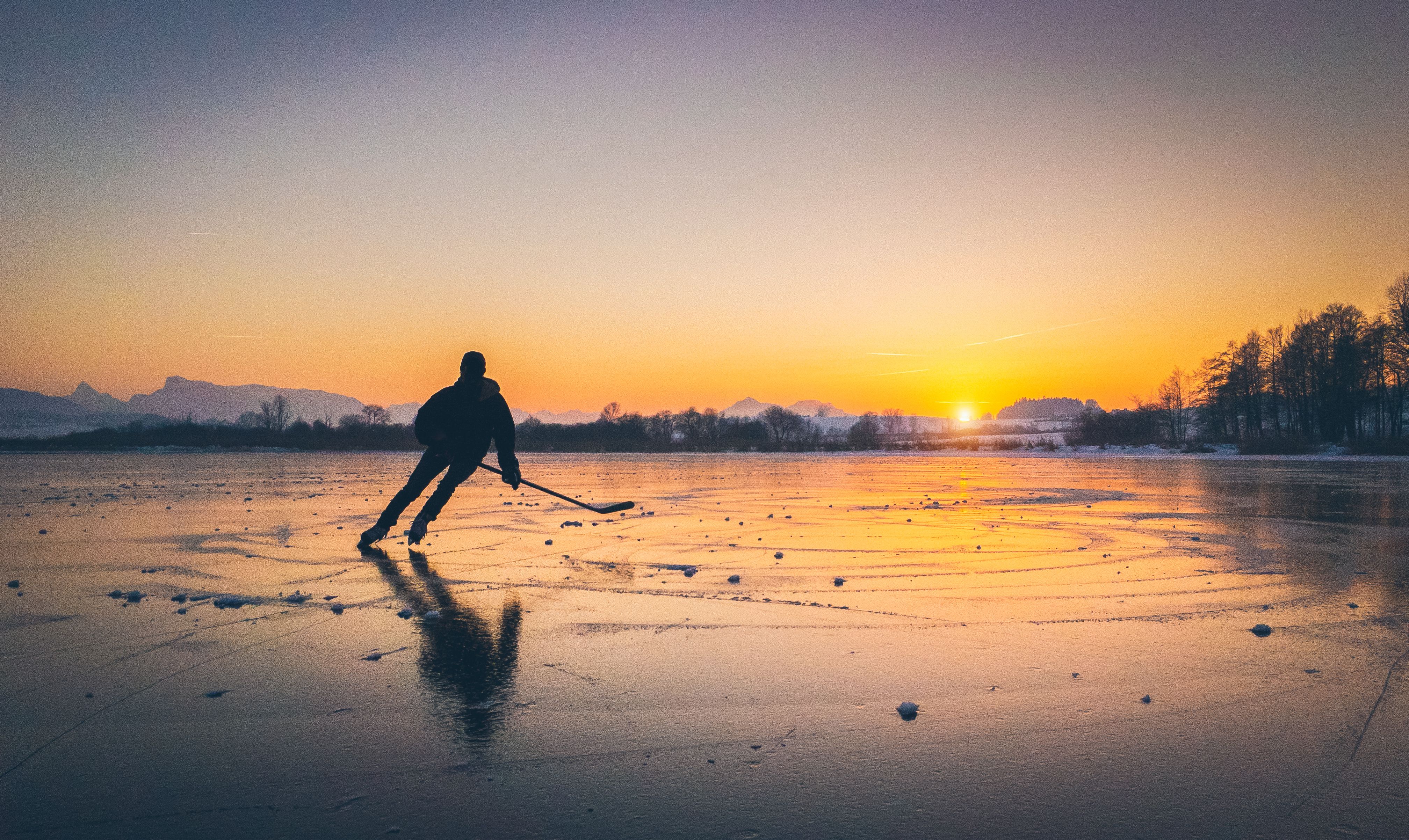
One of the cornerstones of Finland's sports management is its focus on grassroots development. From a young age, children are encouraged to participate in sports, fostering a culture of physical activity and teamwork. Community sports clubs are prevalent, providing opportunities for people of all ages to engage in sports.
This community-driven approach contrasts with some international systems where early specialization is more common. Finland's model emphasizes inclusivity and broad participation, enabling a larger pool of talent to develop over time.
Education and Training Facilities
Finland takes pride in its top-notch education system, which extends to sports management. The country offers well-structured programs for aspiring sports managers and coaches, ensuring they receive comprehensive training. These programs focus on both theoretical and practical aspects of sports management, preparing individuals for various roles within the industry.
Internationally, countries with strong sports management systems, like the United States and the United Kingdom, also emphasize education, but Finland's integration of sports education within its broader educational framework sets it apart.
Government Support and Funding
Government support plays a crucial role in Finland's sports management landscape. The Finnish government actively funds sports initiatives, ensuring that resources are available for both elite and grassroots levels. This commitment to funding is critical for maintaining facilities, organizing events, and supporting athletes.

In comparison, international standards vary widely. While some countries offer substantial government support, others rely more heavily on private sponsorships and investments. Finland’s balanced approach ensures sustainability and accessibility.
Emphasis on Well-being and Balance
A distinctive feature of Finnish sports management is its emphasis on the overall well-being of athletes. Finnish culture values balance and health, which translates into sports practices that prioritize mental and physical health. This holistic approach is becoming increasingly recognized internationally as essential for long-term athletic success.
While some international systems may focus intensely on performance, sometimes at the cost of athlete well-being, Finland’s model serves as a reminder of the importance of nurturing the whole person.
International Achievements and Recognition
Despite its relatively small population, Finland has achieved significant success on the international sports stage. From winter sports like skiing to motorsports and athletics, Finnish athletes have made their mark. This success is a testament to the effectiveness of Finland's sports management strategies.
In conclusion, while Finland’s sports management landscape may differ from international standards in certain aspects, its unique approach has proven successful. By focusing on inclusivity, education, government support, and athlete well-being, Finland sets a benchmark that many countries could learn from.